
The foundations of horsemanship
Daily sessions to learn the essentials of horse care
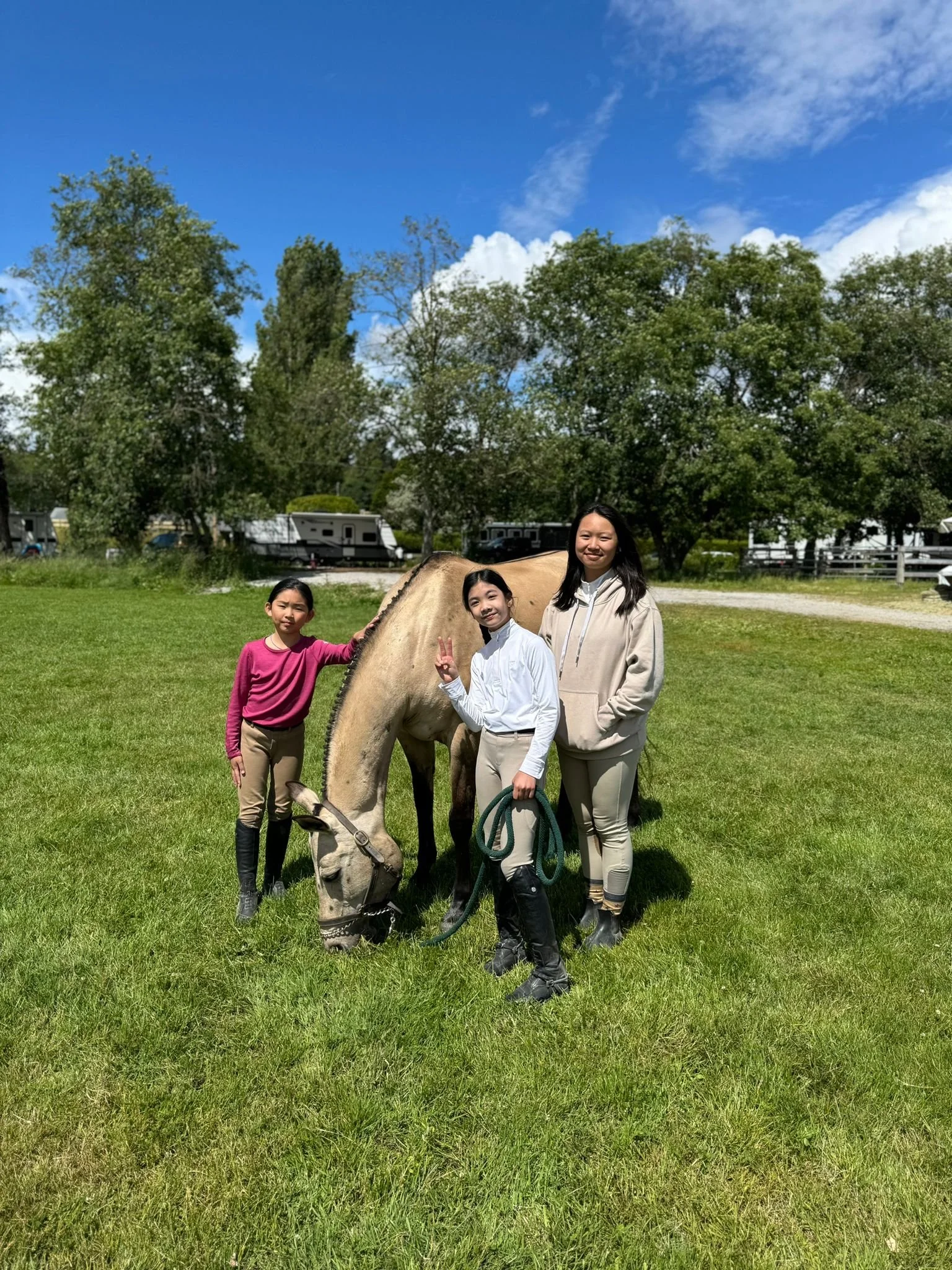
Horsemanship lessons give students an insight into the many aspects of caring for horses. Built upon their daily themes for the life skills section, students learn and practice routine skills such as brushing, tacking, and leading, and also expand their knowledge ‘in the barn’ to learn about tack and stabling.
Learn
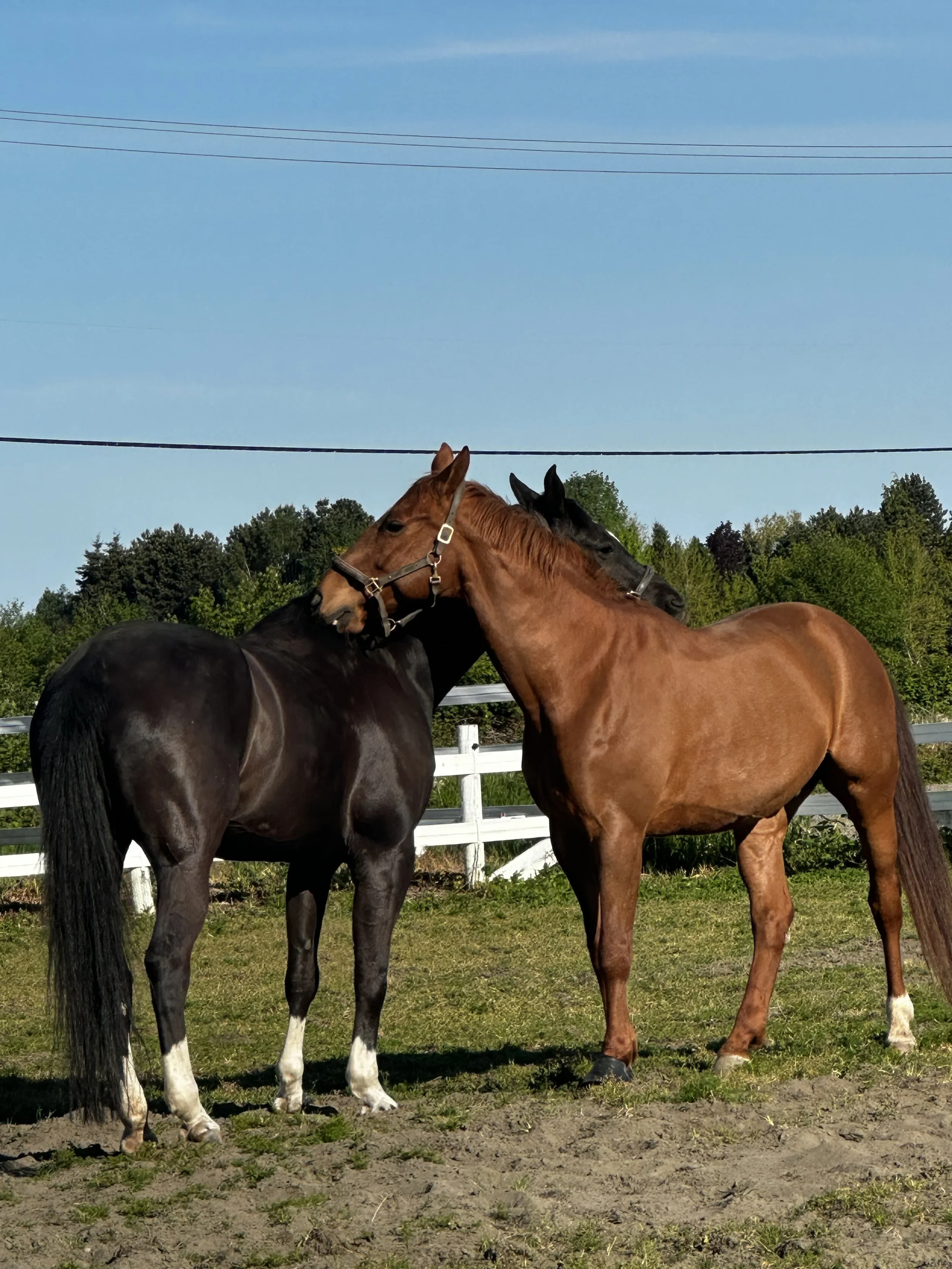
Students learn the basics of horse anatomy, wellness, and behaviour, building upon their morning lessons and designed to enhance their understanding of horses during riding and grooming.
Care
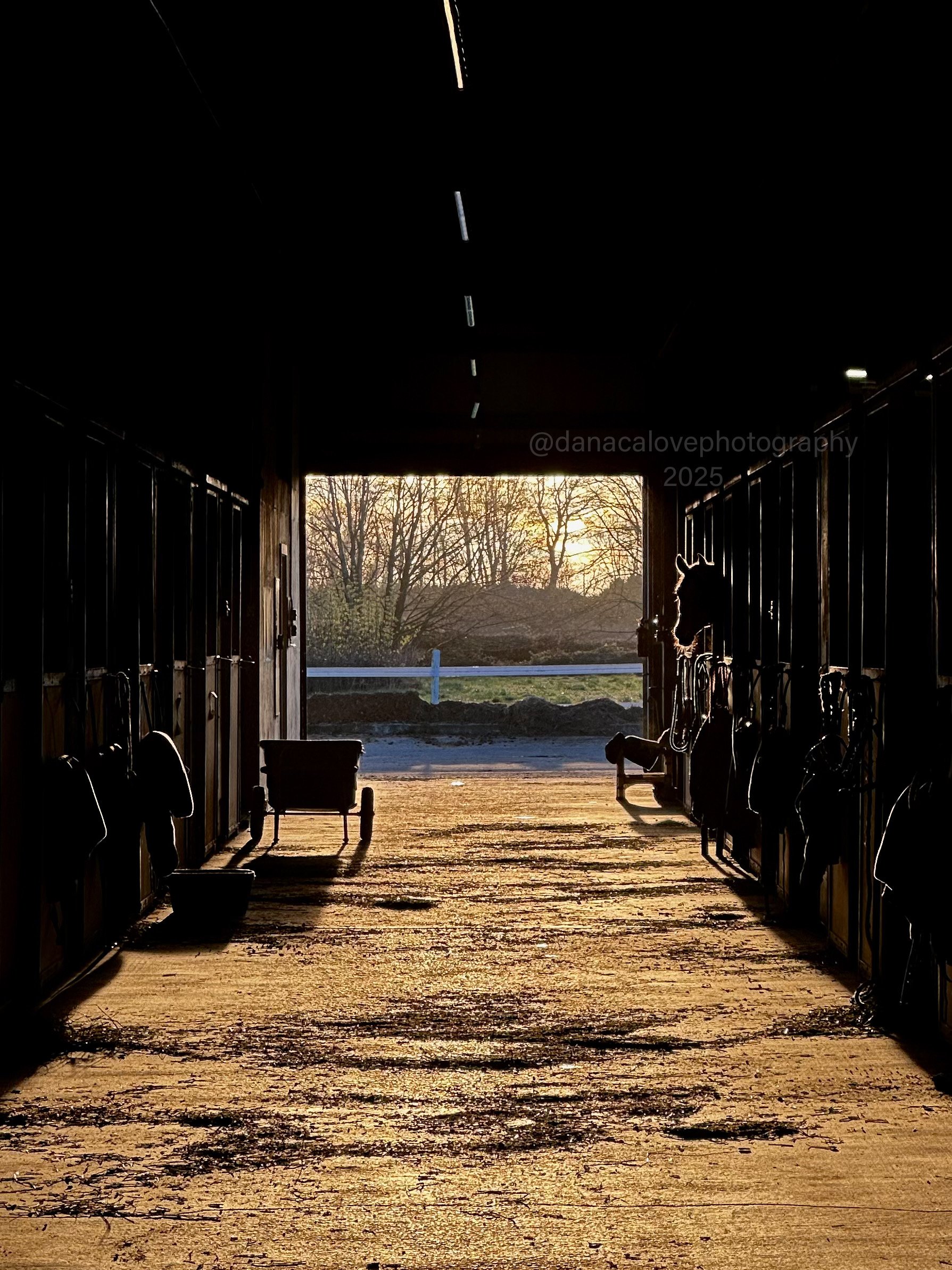
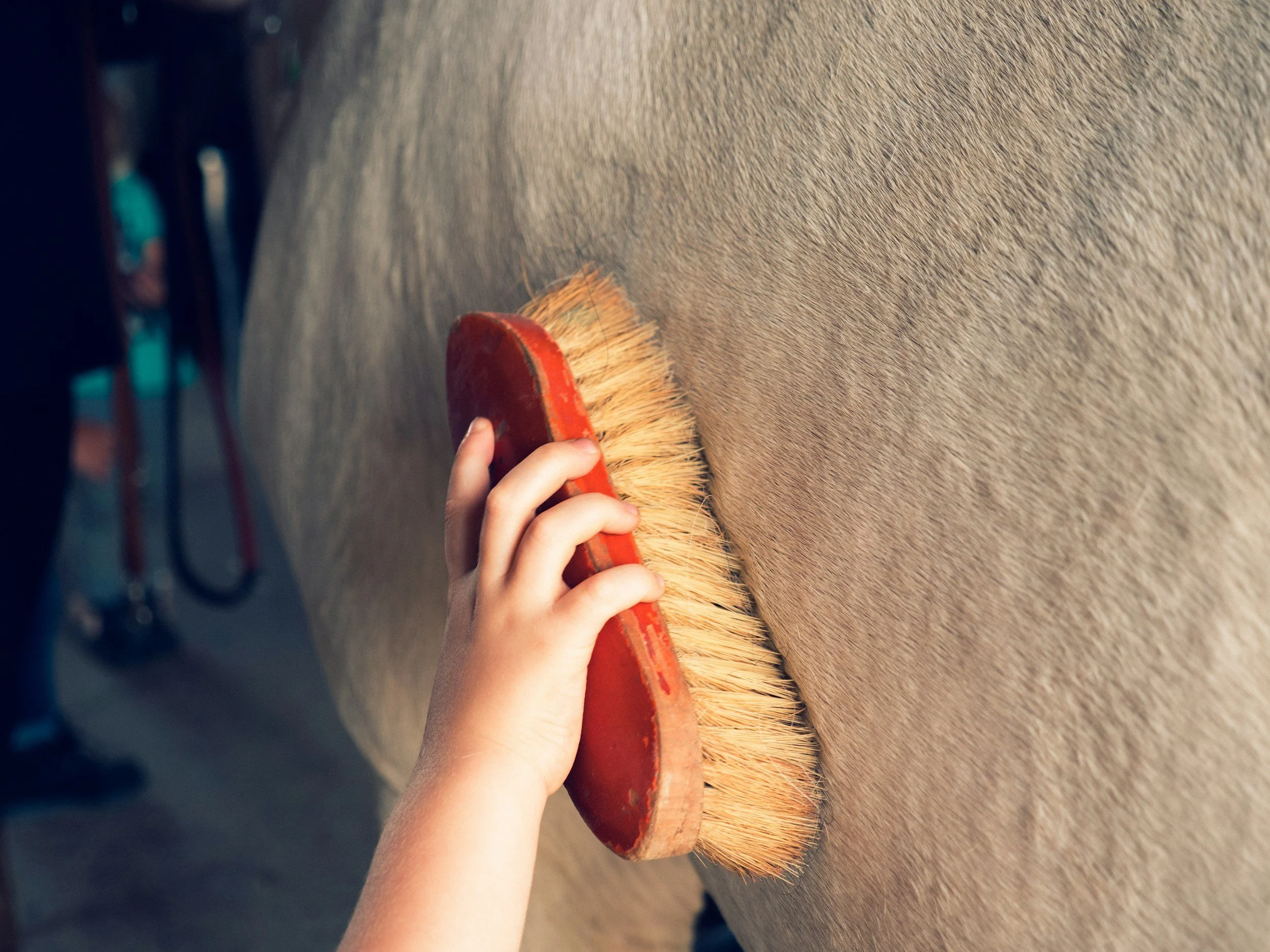
Students glimpse into daily care for horses, from grooming and bathing horses, to routine barn tasks such as cleaning stalls.
Prepare
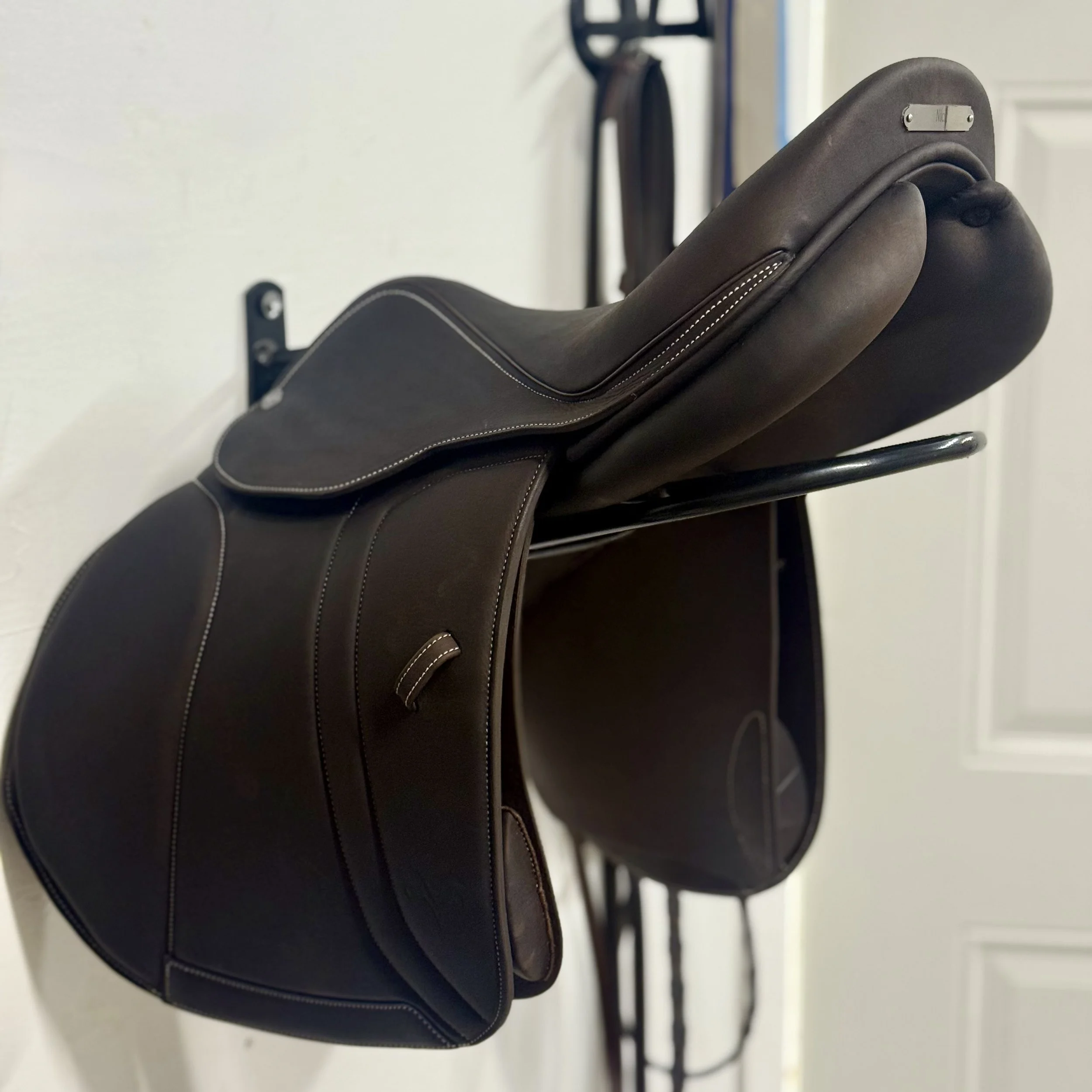
Students learn about tack (saddles and bridles) and how to prepare horses for riding.
Program details
The learning objective for the Horsemanship sessions builds upon the daily goal set in the morning group session.
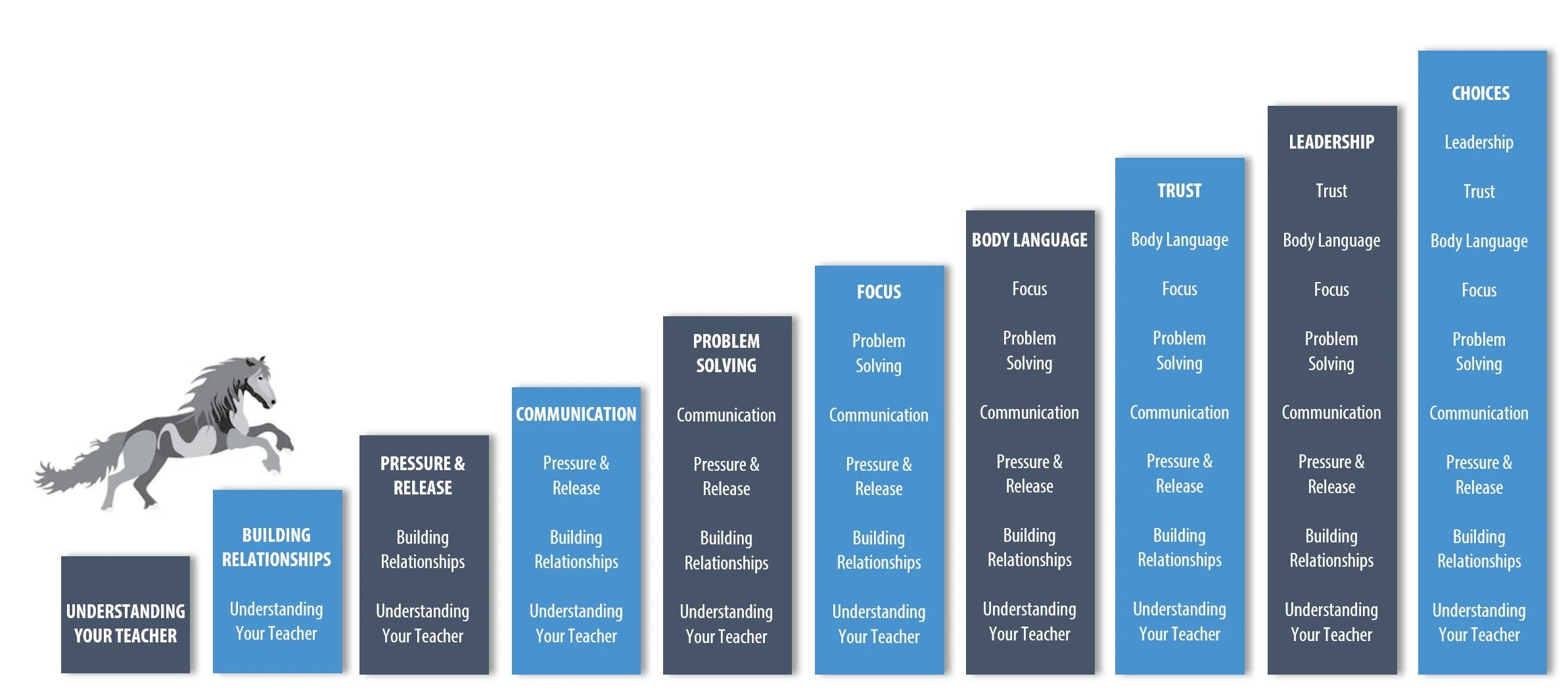
Understanding your teacher.
The horse is the teacher!
How are the parts of the horse similar and different to parts of the human?
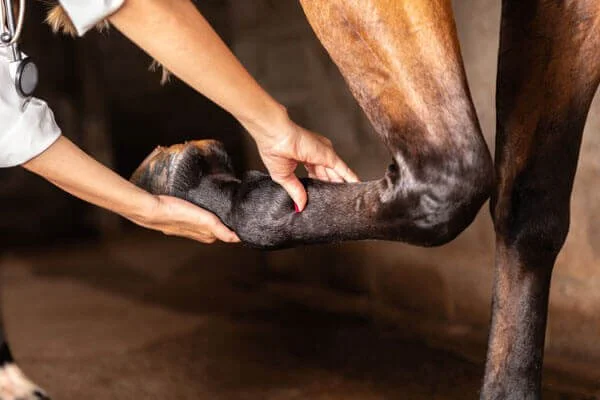
Students learn the basics of equine anatomy while learning how to groom and care for horses.
Building relationships.
Students learn about natural horse behaviour and how human interaction can help a horse feel safe. Students practice reading signals from their horse while grooming, feeding treats, and working around the horse.
Pressure & release.
How can humans control such large and powerful animals? Though skillful pressure and release!
Students learn how to lead their horses and practice different situations - like leading the horse to the stall or paddock.
Communication.
Students delve deeper into understanding horse communication. By watching horses interact in a field, they will learn to identify behaviours that are similar or different than human to horse interaction.
Problem Solving.
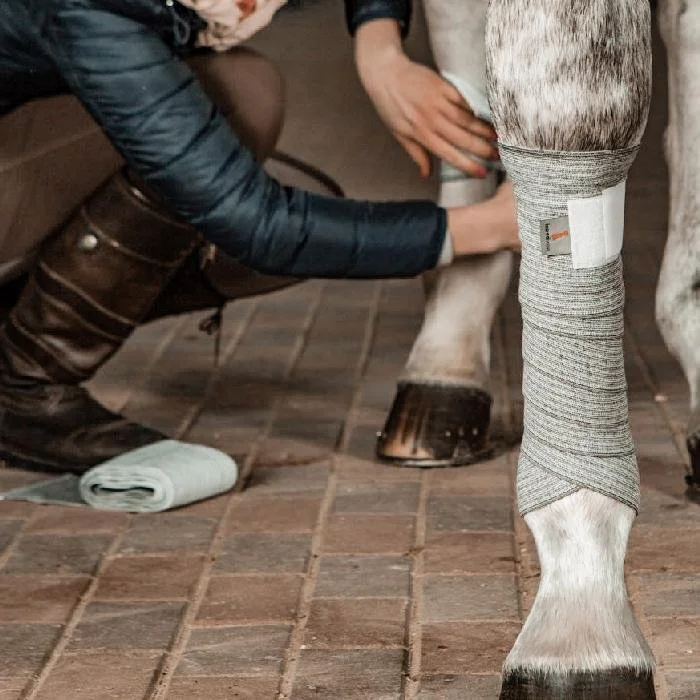
A band-aid won’t stick on a horse’s fur! Students experience a fun but tricky experience learning how to wrap bandages on horse legs.
Focus.
Students learn more about riding equipment, including the parts of bridles and saddles, how to adjust for different horses, and how to clean equipment.
Hosted at one of Metro Vancouver’s premier equestrian facilities
Richmond, British Columbia